
How to decorate with gilded mirrors and old-world pieces
Where to hang an arched or gilded mirror, how to mix gold with plaster, marble and candlelight, and how to care for gilt so it lasts.
By Newfound Maya5 min read
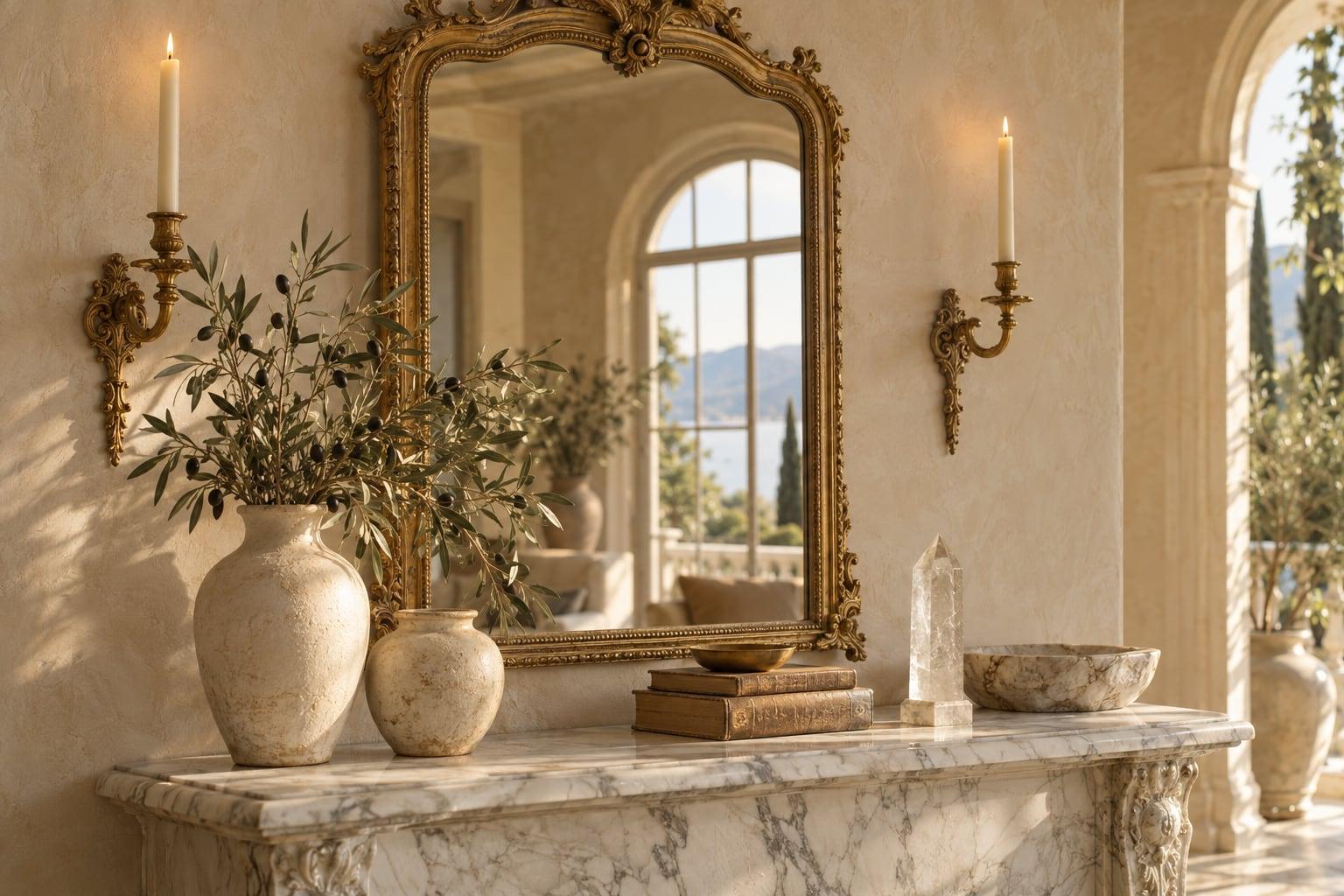
The gilded mirror has come back from the attic. Hunker reported in June that these frames faded in the 1990s as homes turned minimal, then returned as people began to favor rich, detailed pieces again. The direction holds for next year. When Elite Traveler asked interior designers in late November how we will decorate in 2027, Madelynn Hudson described "a real return to individualism," with renewed love for antiques and the decorative arts, and Katharine Pooley spoke of curated rooms that mix different eras.
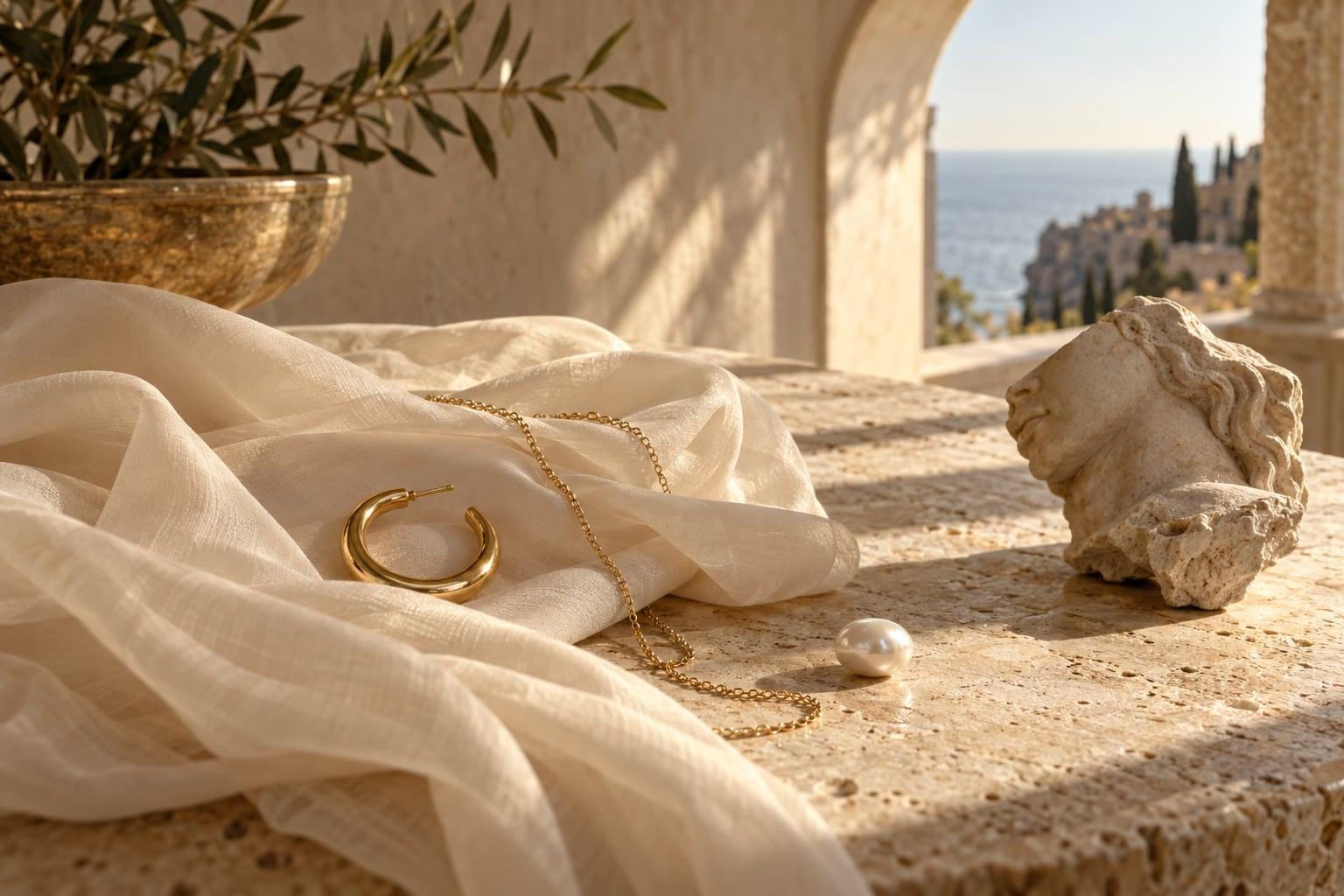
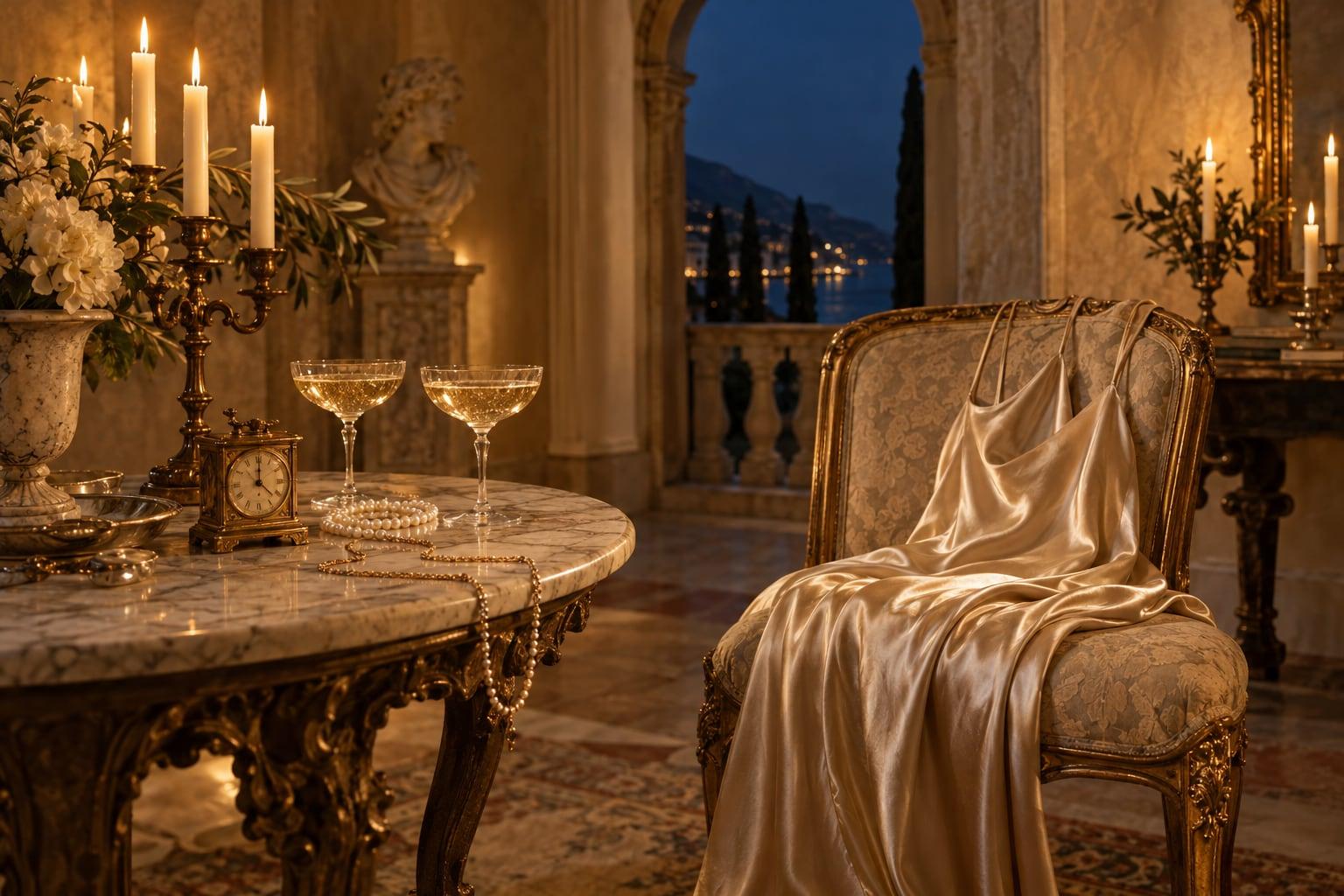
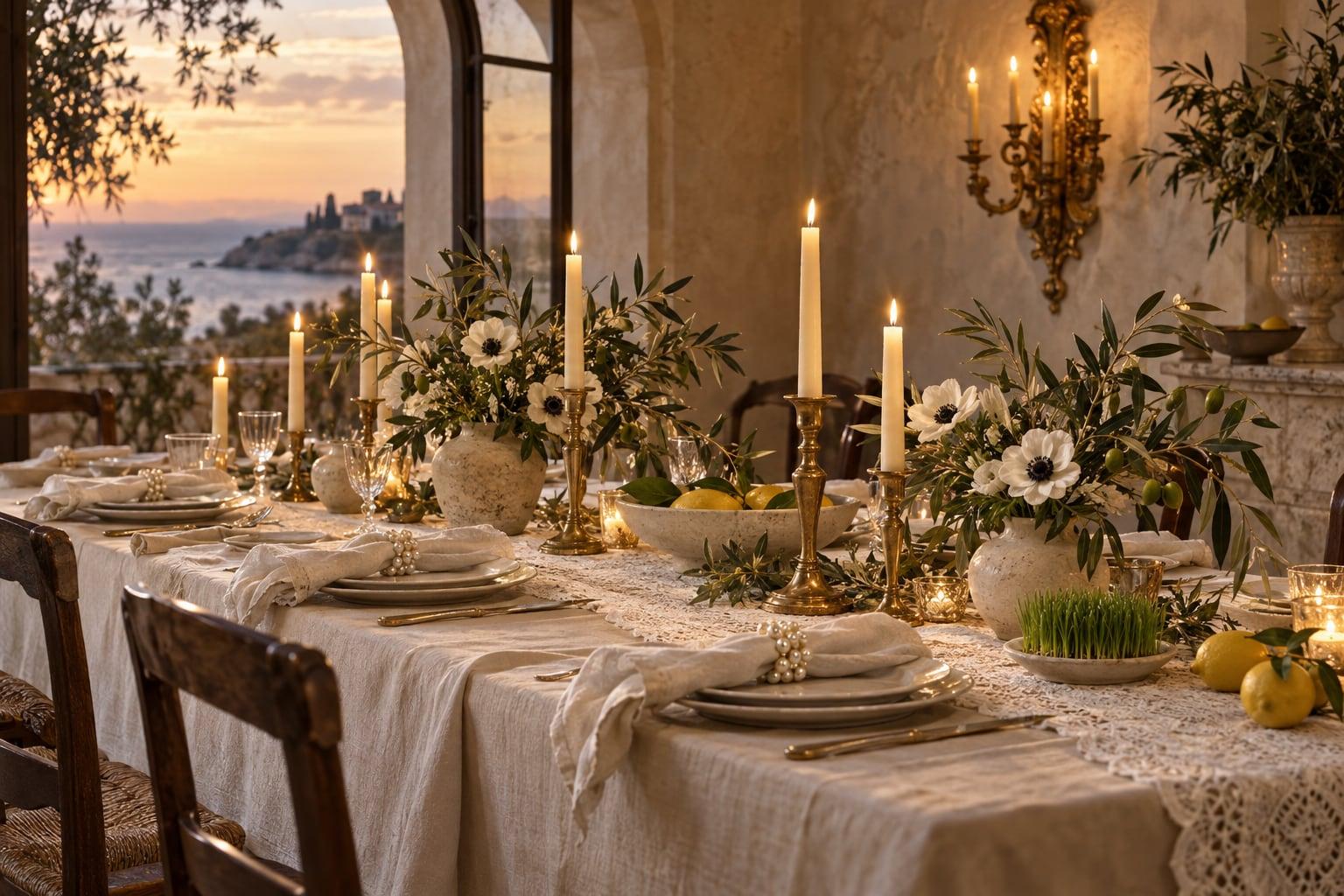
That mix is the secret of an old-world room. It is not a period set. It is 1 good mirror, a little marble, plaster walls, candlelight and a few objects with weight, arranged so each one has room to breathe.
Choose quality over quantity
Gilt looks wonderful when it is good and tired when it is not. House Digest notes that cheap reproductions painted gold, rather than leafed, made these mirrors look gaudy for a generation. Its sources advise buying fewer, better pieces, and point to hand-carved frames finished in real gold leaf as the most sought after. If you can only have 1, make it large and make it the focal point.
Where to hang an arched or gilded mirror
A mirror is really a light fixture with a frame. Hunker suggests hanging it opposite a window to pull daylight into the room, and choosing walls where its size feels balanced: above a fireplace, beside a bookcase or in an entry. A few more rules of thumb:
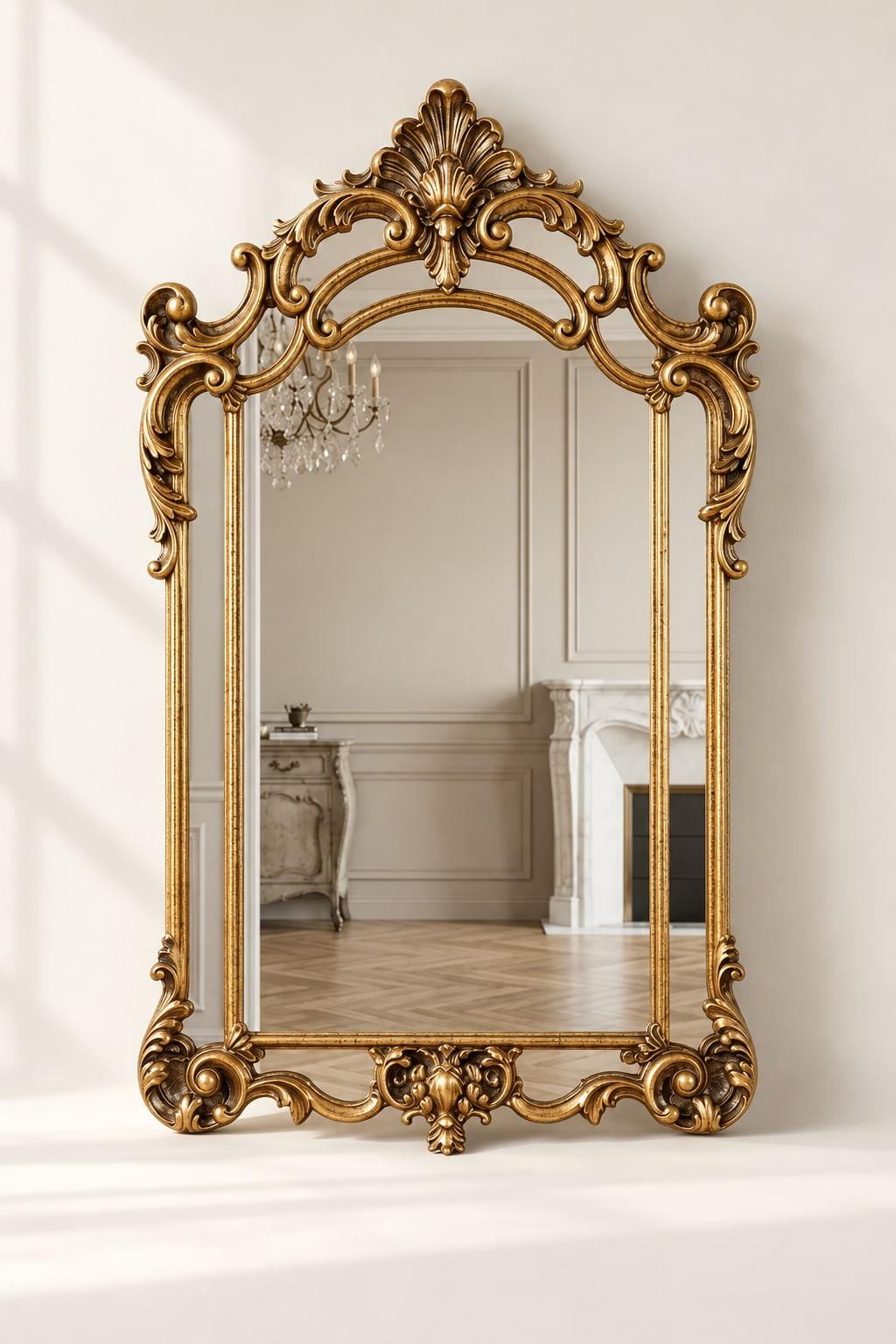
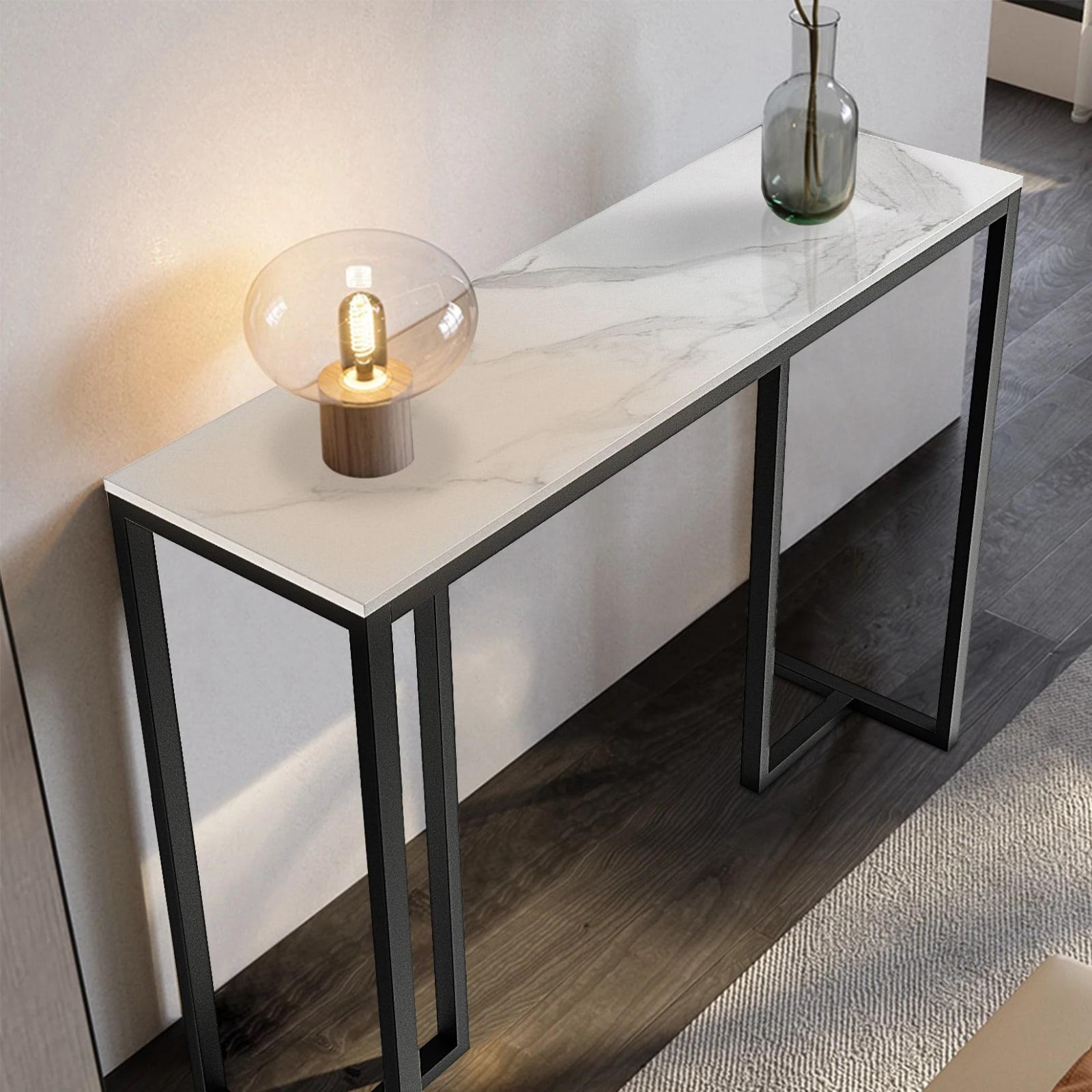
- Above a console. Choose a mirror about 2/3 the width of the table and hang it 6-10 inches above the surface. The Belvoir French vintage decorative wall mirror over the Carrara marble console table with iron frame gives you a classic pairing of an ornate French frame and cool stone.
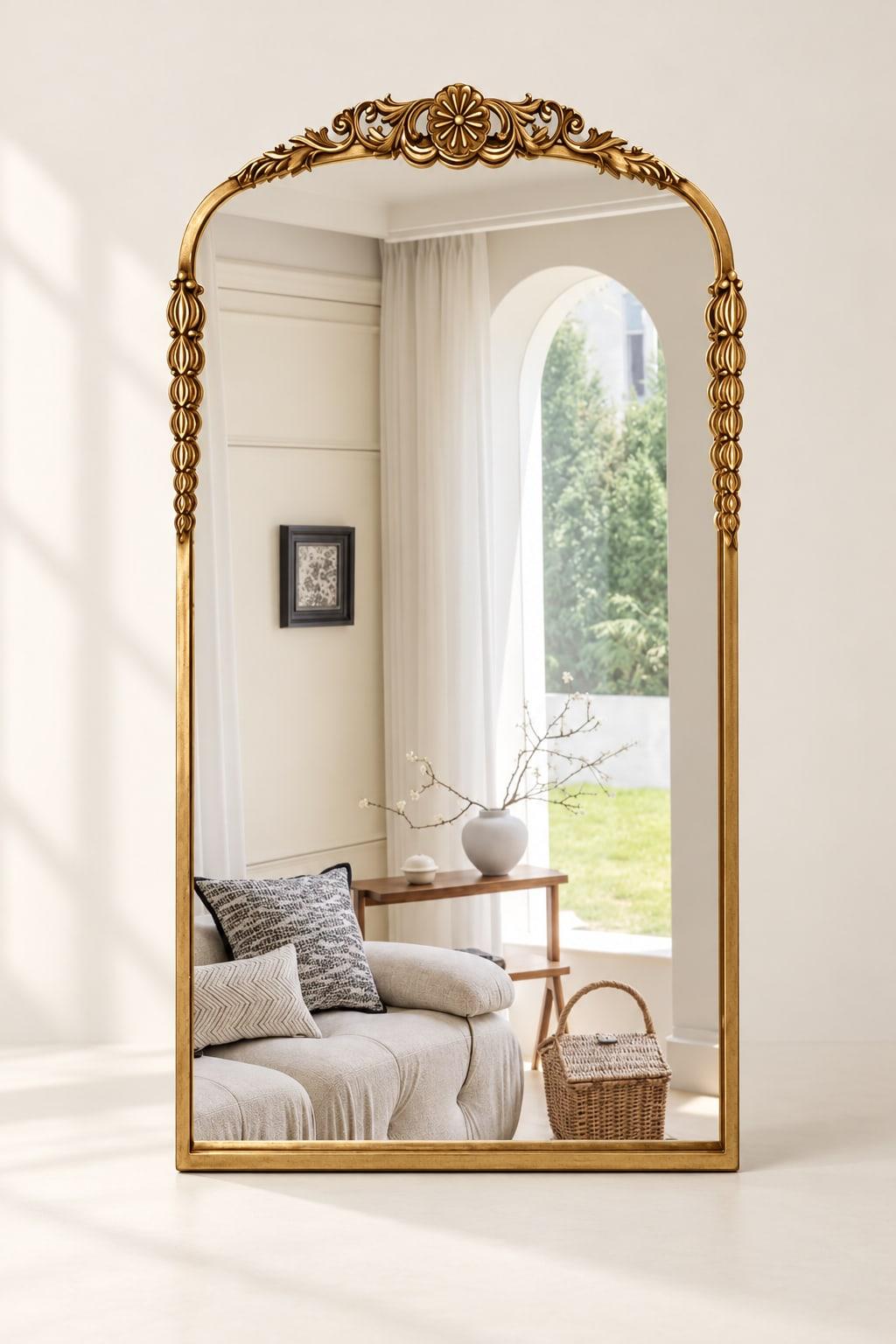
- Leaning, not hanging. An arch echoes the doorways and windows of Italian and Moroccan houses. The Vendome arched full-length floor mirror with wood frame can lean against a bedroom or hallway wall, secured at the top so it cannot tip.
- Small and dark rooms. House Digest points out that a mirror can make a tight or dim space feel larger and brighter.
- Check the reflection. Stand where you will sit and look. A mirror should repeat a window, a candle or a beautiful object, never the television or the laundry basket.
Mixing gold finishes
Golds do not need to match, but they need a leader. Pick 1 dominant finish, usually the warm, aged gold of the mirror, and repeat it 2 or 3 times around the room: a frame, a sconce, a tray. Then let a second metal appear once or twice for contrast. Designers in the Elite Traveler piece favor aged and hand-worked metals, and both Hudson and Charu Gandhi expect polished chrome, nickel and silver to return, so a single silver candlestick beside old gilt now reads as collected, not careless.
Plaster, marble and matte ceramics
Gold needs a quiet background. A limewashed or plastered wall in ivory or warm stone gives gilt a soft, chalky surface to glow against, while bright white paint can make it look brassy. Courtney Brannan of Champalimaud Design, also quoted by Elite Traveler, names plaster, ceramics, terrazzo and aged metals among materials that age well. In House Digest, designer Laura Hammett suggests anchoring a patinated mirror with other old pieces, such as a marble-topped commode.
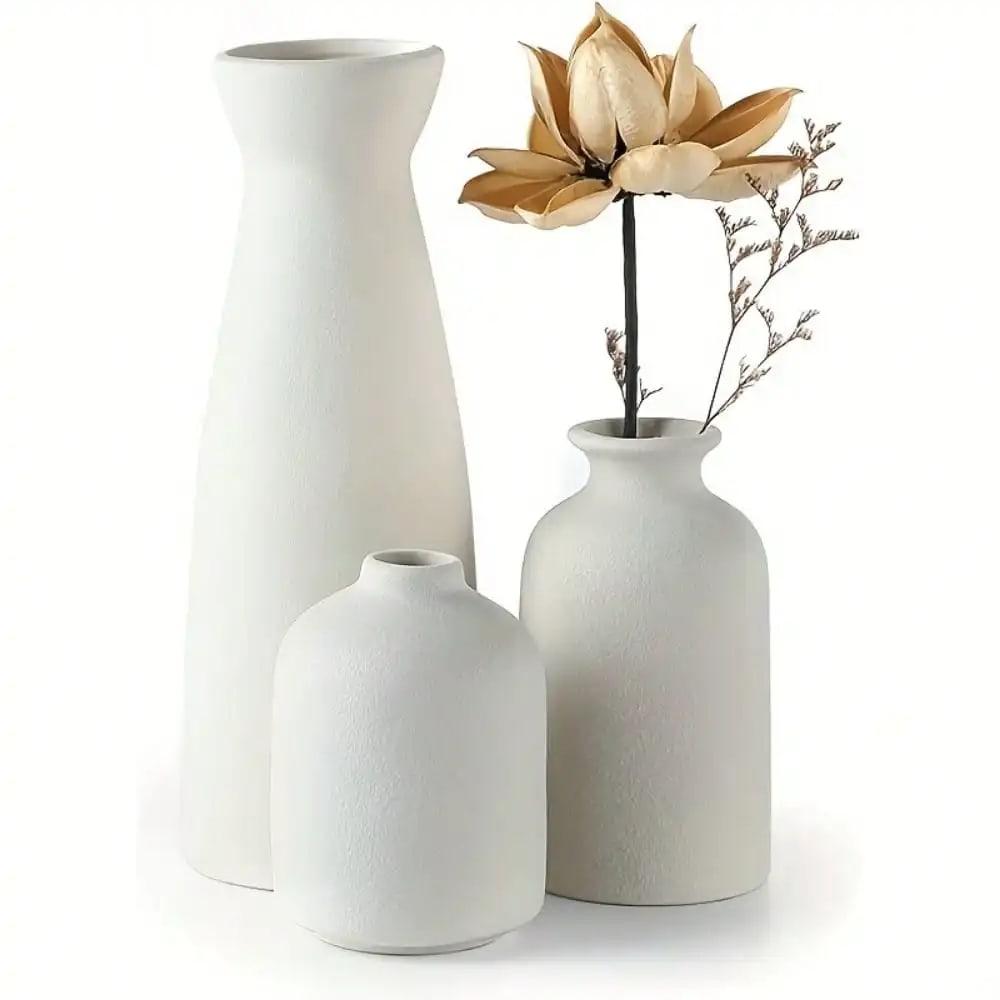
Then add vessels with no shine at all. The Fallow ceramic vase set of 3 brings a matte, earthy surface that balances carved gold. Group the 3 at different heights and fill only 1 with branches.
Candle sconces beside the mirror
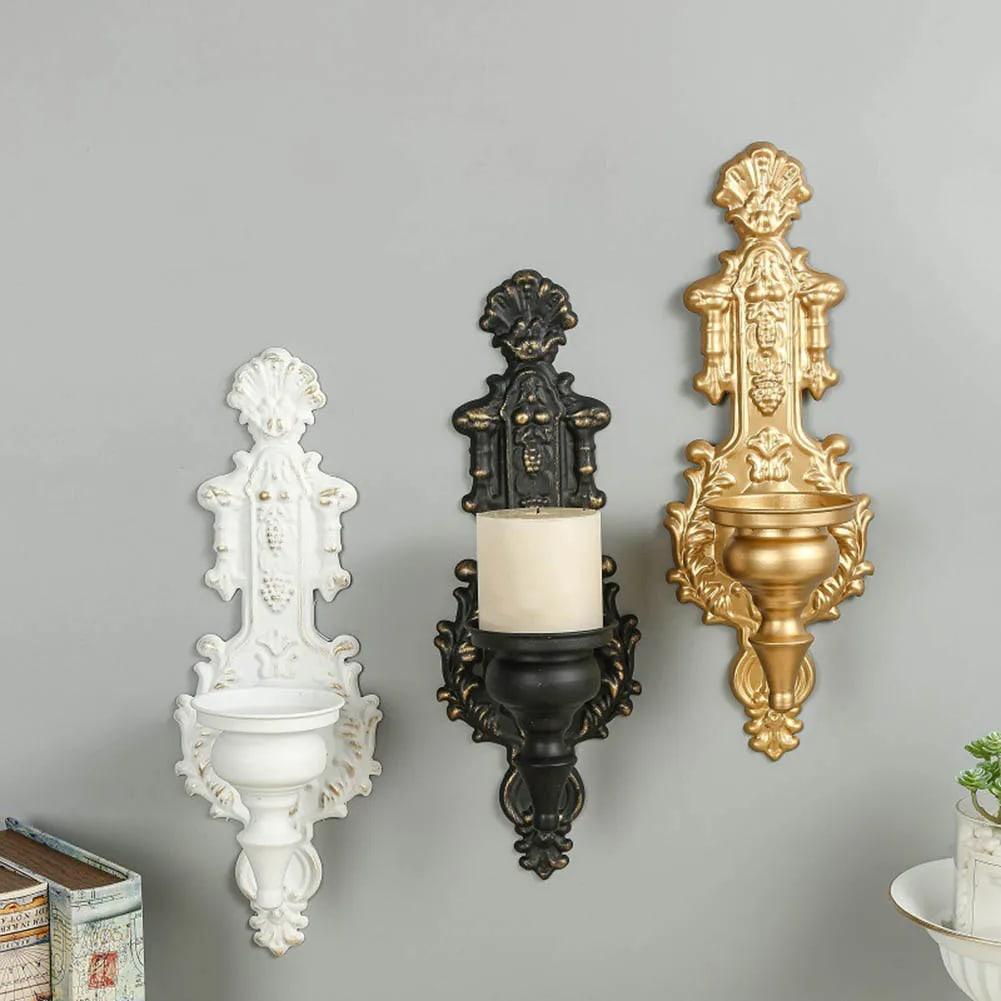
A pair of sconces flanking a mirror is the oldest trick in the book, and it still works: each flame appears twice. Hang a Torcello baroque taper candle wall sconce on each side, at about the height of the mirror's middle, and well clear of the frame. Gilding is sensitive to heat, so never let a flame sit beneath or against the carving.
Crystals and obelisks as sculpture
The obelisk is an architectural shape, and in a room it does what a column does: it adds a slim vertical line among low, round things. Treat a crystal piece exactly as you would a small sculpture, chosen for its form, its clarity and the way it holds light. The Pellucid clear quartz obelisk looks best on a stack of old books on the console, close enough to the mirror that its reflection doubles it. We offer it as a decorative object, nothing more, and that is plenty.
Caring for gilt finishes
Conservators agree that most damage to gilding comes from too much care, not too little. The UK conservation body Icon and the National Gallery of Victoria give advice that holds for old and new gilt alike:
- Dust rarely. Icon suggests no more than once a year, because every pass wears the surface.
- Use a very soft brush and flick dust away. Icon recommends taping the brush's metal band so it cannot knock the carving.
- Keep water and cleaning products off the frame, since they can stain gilding. Clean the glass with a barely damp cloth, never a spray aimed at the mirror.
- Never touch up chips with gold paint, which can darken over time. Save any loose pieces and ask a conservator.
- Lift a frame by its strong lower edge, with 2 people for large pieces.
- Hang it away from radiators, fireplaces, direct sun and damp or cold outside walls, where shifts in heat and humidity can crack the finish.
One honest mirror, a wall of soft plaster, and 2 small flames. The rest is restraint.
Old-world rooms are built slowly. Start with the mirror, live with it through the winter, and add each piece only when the room asks for it.
Sources
- Nobody wanted one 30 years ago, now it's the vintage mirror everyone wants, Hunker
- We asked interior designers: How will we design our homes in 2027?, Elite Traveler
- The once-tacky vintage decor that's making a major comeback in 2026 (with a twist), House Digest
- Frames and gilding, Icon, the Institute of Conservation
- Caring for your frames, National Gallery of Victoria